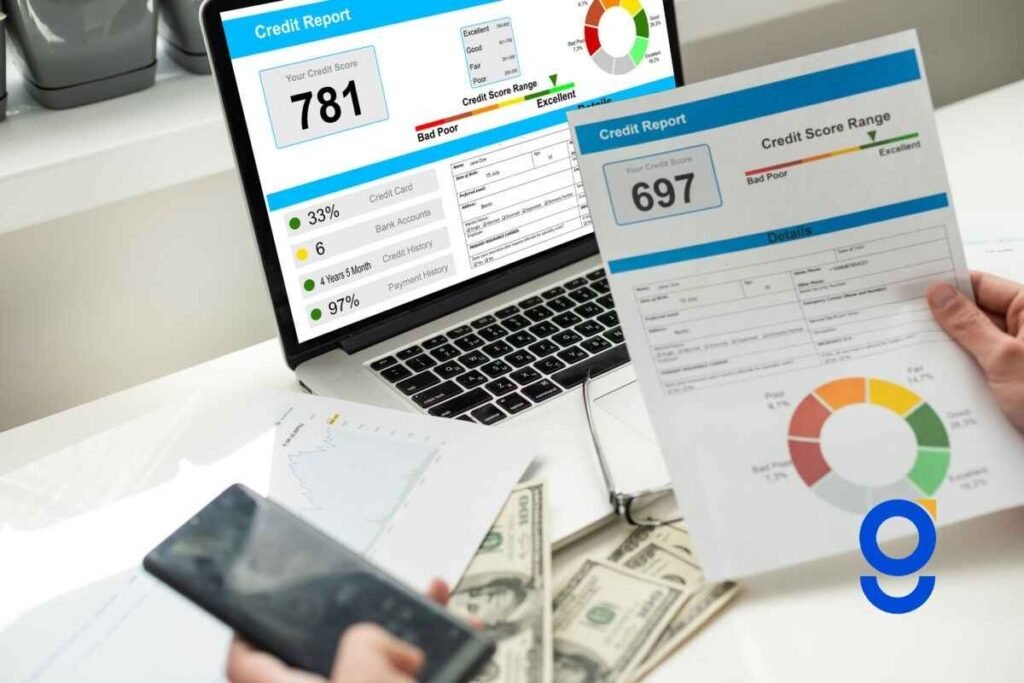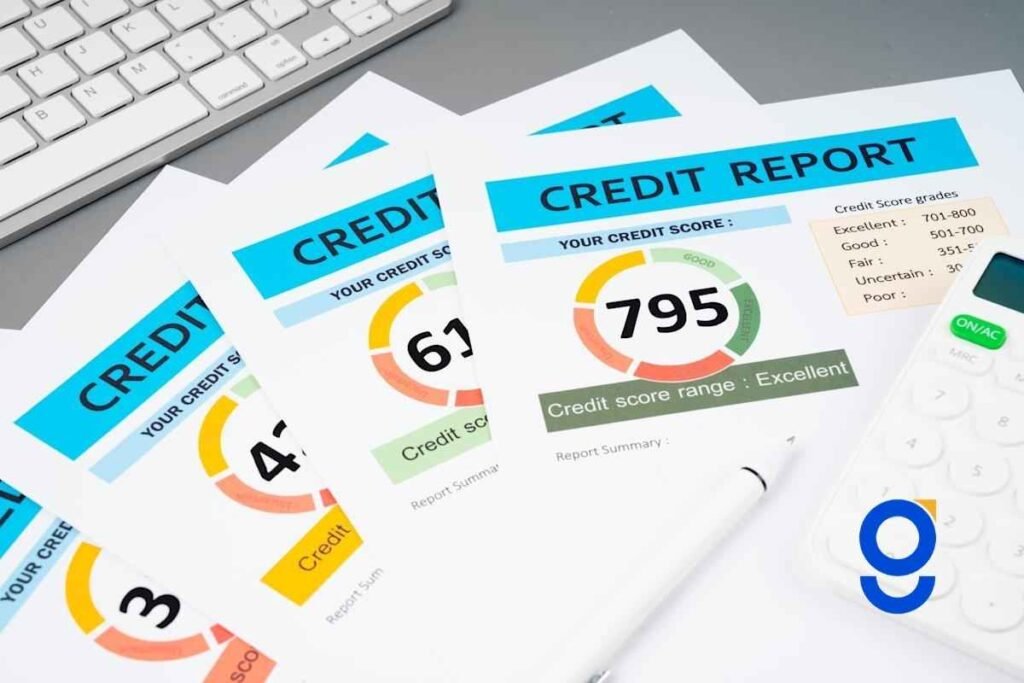

A credit score is one of the most important numbers in your financial life. It affects your ability to get loans, credit cards, and even rental approvals. Many people hear about credit scores but do not fully understand what the ranges mean or how they impact decisions. This guide explains credit score ranges in simple English so anyone can understand them.
In this blog post, you will learn what credit score ranges are, how they are divided, and what each range means for your financial health. You will also learn how lenders use these scores and how you can improve your own score over time.
What Is a Credit Score?
A credit score is a three-digit number that shows how reliable you are when it comes to paying back money. It is based on your credit history, such as how often you pay bills on time, how much debt you have, and how long you have used credit.
Lenders use this number to decide whether to approve your loan or credit card application. A higher score means you are less risky to lenders, while a lower score may make it harder to get approved or result in higher interest rates.
What Are Credit Score Ranges?
Credit score ranges are categories that group scores into levels such as poor, fair, good, and excellent. These ranges help lenders quickly understand your creditworthiness without studying your full credit history in detail.
Different scoring models may have slightly different ranges, but most follow a similar pattern. The most commonly used range is from 300 to 850. The closer your score is to 850, the better your financial profile looks to lenders.
You may also like to learn about: how to read a credit report
Standard Credit Score Ranges
Most lenders use a general set of ranges to judge credit scores. These ranges help them decide how risky it is to lend money to a person.
- 300–579: Poor
- 580–669: Fair
- 670–739: Good
- 740–799: Very Good
- 800–850: Excellent
Each of these ranges represents a different level of trust from lenders. Let’s look at what each range means in more detail.
Poor Credit Score (300–579)
A score in this range shows that a person may have a history of late payments, high debt, or defaults. Lenders see this as high risk, which means getting approved for loans or credit cards can be difficult.
If approved, the interest rates are usually very high. People in this range may also face limits on borrowing amounts. Improving this score requires consistent effort, such as paying bills on time and reducing debt.
Fair Credit Score (580–669)
A fair credit score means that your credit history has some issues, but it is not the worst. You may still get approved for loans or credit cards, but the terms might not be the best.
Interest rates are usually higher compared to people with better scores. This range is often seen as a starting point for improvement, and small positive changes can help move the score into a better category.
Good Credit Score (670–739)
A good credit score shows that you are a reliable borrower. Most lenders feel comfortable approving applications in this range, and you are likely to receive better interest rates than those with lower scores.
People in this range usually have a solid payment history and manageable debt levels. It is a strong position, but there is still room to reach higher ranges for even better financial benefits.
Very Good Credit Score (740–799)
This range indicates a strong credit profile. Lenders consider you low risk, which means you are more likely to get approved quickly and receive favorable loan terms.
Interest rates in this range are usually lower, which can save a lot of money over time. Maintaining this score requires consistent financial discipline, such as avoiding late payments and keeping credit usage low.
Excellent Credit Score (800–850)
An excellent credit score is the highest level and shows outstanding financial behavior. People in this range are seen as very trustworthy borrowers.
They often receive the best interest rates, highest credit limits, and premium financial offers. Reaching this level takes time, strong habits, and careful management of credit over many years.
Why Credit Score Ranges Matter
Credit score ranges are important because they directly affect your financial opportunities. Lenders use these ranges to decide whether to approve your application and what terms to offer.
A higher range can mean lower interest rates, which reduces the total cost of borrowing. It can also lead to better credit card rewards, higher limits, and easier approvals for renting homes or getting utilities.
How Lenders Use Credit Score Ranges
Lenders use credit score ranges as a quick way to assess risk. Instead of reviewing every detail of your financial history, they look at your score category to make fast decisions.
For example, someone with an excellent score may get instant approval, while someone in the poor range may be rejected or asked for a deposit. This system helps lenders manage risk and process applications more efficiently.
Factors That Affect Your Credit Score
Several factors influence your credit score, and understanding them can help you improve your position within the ranges. Payment history is the most important factor, as it shows whether you pay bills on time.
Other factors include credit utilization, which measures how much of your available credit you are using, and the length of your credit history. New credit inquiries and types of credit accounts also play a role in determining your score.
How to Improve Your Credit Score Range
Improving your credit score takes time, but small steps can make a big difference. Start by paying all your bills on time, as this has the biggest impact on your score.
Try to keep your credit card balances low and avoid using too much of your available credit. It is also helpful to avoid opening too many new accounts at once. With consistent effort, your score can move into a higher range.
Common Mistakes That Lower Credit Scores
Many people unknowingly make mistakes that harm their credit scores. Missing payments is one of the biggest issues and can quickly drop your score into a lower range.
Using too much credit, closing old accounts, or applying for too many loans in a short time can also hurt your score. Being aware of these mistakes can help you avoid them and maintain a healthier credit profile.
How Often Credit Scores Change
Credit scores are not fixed and can change over time based on your financial behavior. They may update monthly as new information is added to your credit report.
Positive actions like paying off debt can raise your score, while negative actions like late payments can lower it. Monitoring your score regularly helps you stay aware of changes and take action when needed.
Credit Score Ranges vs Credit Reports
A credit score is just a number, while a credit report is a detailed record of your financial history. The report includes information about your accounts, payments, and any negative marks.
Lenders often look at both your score and report before making decisions. Understanding both can give you a clearer picture of your financial health and help you make better choices.
FAQs about Credit Score Ranges
1. Do credit score ranges differ by country?
Yes, credit score ranges can vary depending on the country and its credit system. For example, some countries may not use the 300–850 range at all. Each country has its own credit bureaus and scoring methods, so it is important to understand the system used in your region.
2. Can your credit score range affect job opportunities?
In some cases, employers may review your credit report as part of the hiring process, especially for finance-related roles. While they usually do not see your exact score, your credit behavior can still influence their decision if it shows financial responsibility or risk.
3. Is there a difference between FICO and VantageScore ranges?
Yes, both scoring models use similar ranges, but they may calculate scores differently. This means your score can vary slightly between the two models, even though they fall within the same general range categories like fair, good, or excellent.
4. Do student loans impact your credit score ranges?
Yes, student loans can affect your credit score ranges. Making on-time payments can help improve your score, while missed payments can lower it. The total amount of your loan and how you manage it over time also play a role.
5. Can closing a credit card change your credit score range?
Yes, closing a credit card can impact your score. It may reduce your available credit, which can increase your credit utilization ratio. This can lower your score and possibly move you into a lower range if not managed carefully.
Conclusion
Understanding credit score ranges is an important step toward better financial management. These ranges help you see where you stand and what you need to improve.
By learning how scores work and taking simple actions like paying bills on time and managing debt wisely, you can move into a higher range. Over time, this can lead to better financial opportunities and greater peace of mind.