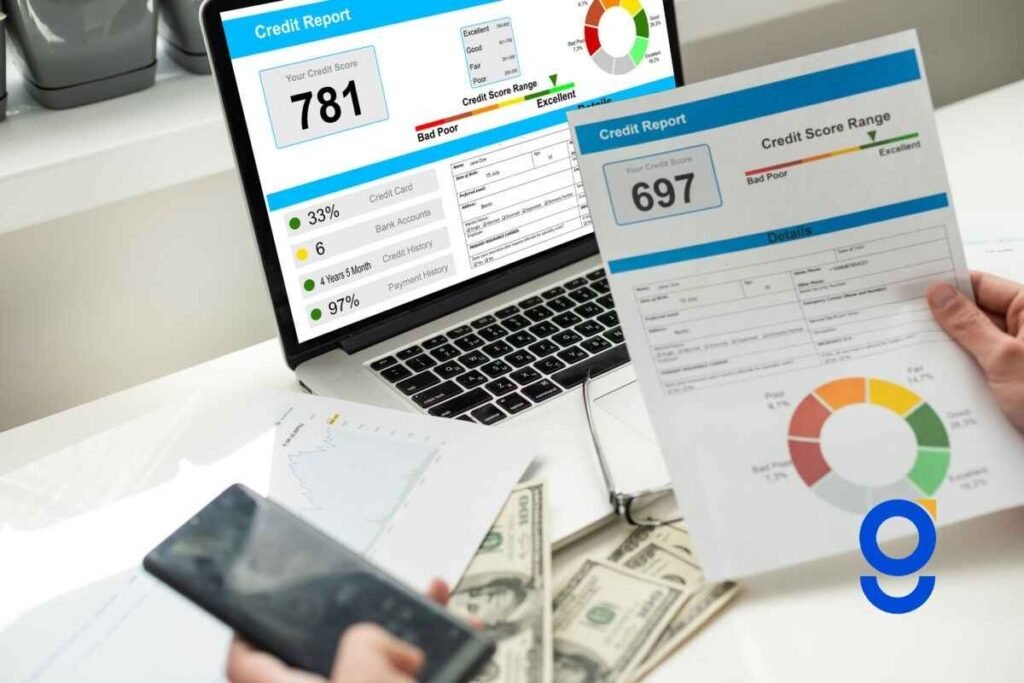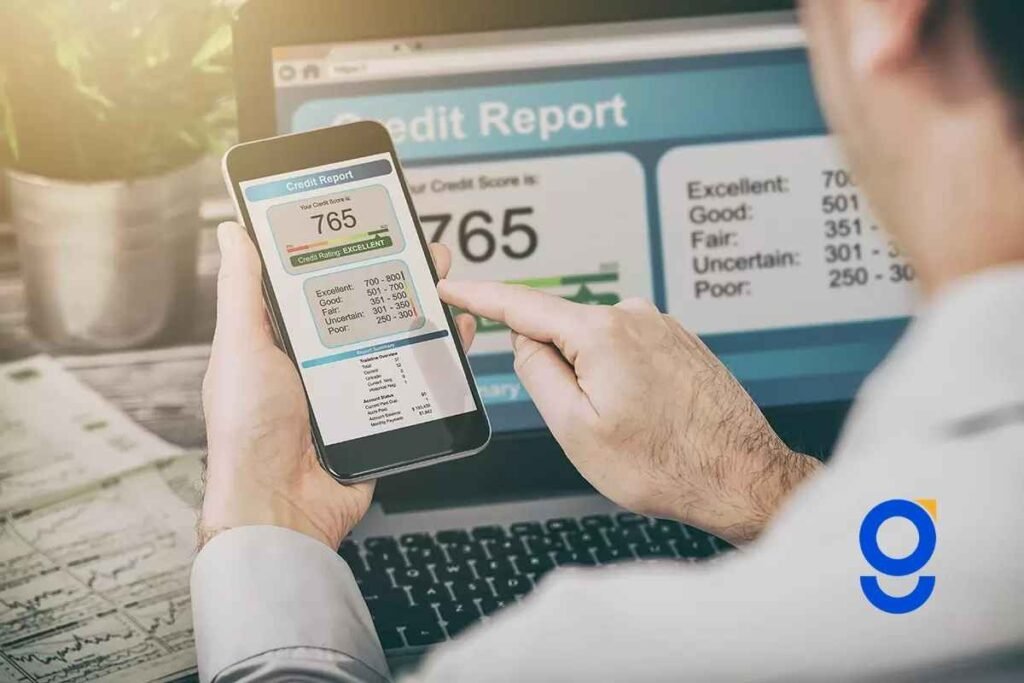
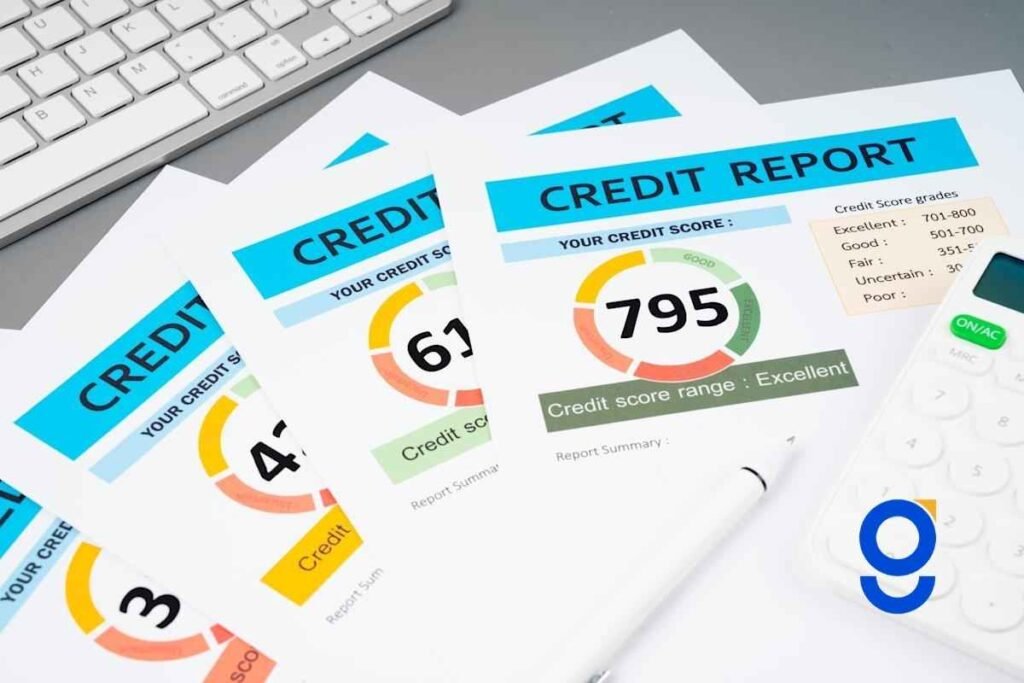
Understanding your credit report is one of the most important steps in managing your financial life. Many people feel confused when they first look at it because it contains many sections, numbers, and terms. This guide will explain you how to read a credit report in a clear and simple way. By the end, you will know what each section means, how to check for errors, and how your financial behavior affects your report.
What Is a Credit Report?
A credit report is a detailed record of your borrowing and repayment history. It shows how you use credit cards, loans, and other financial services over time. Banks and lenders use this report to decide whether to give you a loan or credit card. It is prepared by credit bureaus and updated regularly based on your financial activity.
Why Reading Your Credit Report Is Important
Reading your credit report helps you stay in control of your finances. It allows you to check if all information is correct and up to date. Errors can lower your credit score and affect your chances of getting approved for loans. Regularly reviewing your report also helps you detect fraud early and understand your financial habits better.
You may also like to learn about: gomyfinance.com credit score
Main Sections of a Credit Report
A credit report is usually divided into several key sections. Each section contains specific details about your financial activity. Knowing these sections makes it easier to read and understand the report. The main sections include personal information, account details, credit inquiries, and public records if any exist.
Personal Information Section
This section contains your basic details such as your name, address, phone number, and sometimes employment information. It helps identify you and connect your financial data correctly. Always check this section carefully to make sure all details are accurate. Any incorrect information here can lead to confusion or mix-ups with someone else’s credit record.
Credit Accounts Section
This is one of the most important parts of your credit report. It lists all your credit accounts, such as credit cards, personal loans, and mortgages. Each account shows details like the opening date, credit limit, current balance, and payment history. Reviewing this section helps you understand how you manage your credit over time.
Payment History Explained
Your payment history shows whether you have paid your bills on time. It may include records of late payments, missed payments, or defaults. This section plays a major role in your credit score. A clean payment history builds trust with lenders, while frequent delays can harm your financial reputation and reduce your chances of approval.
Understanding Credit Utilization
Credit utilization refers to how much of your available credit you are using. For example, if your credit limit is 100,000 and you use 50,000, your utilization is 50%. Lower utilization is generally better because it shows that you are not overly dependent on credit. Checking this part helps you manage your spending habits more wisely.
Credit Inquiries Section
This section shows who has checked your credit report and when. There are two types of inquiries: hard inquiries and soft inquiries. Hard inquiries happen when you apply for credit and may slightly affect your score. Soft inquiries occur when you check your own report or when companies review your profile for offers, and they do not affect your score.
Public Records and Collections
If you have any serious financial issues like bankruptcies, court judgments, or accounts sent to collection agencies, they appear in this section. These records can have a strong negative impact on your credit profile. It is important to review this section carefully and take action if you find any incorrect or outdated information.
How to Identify Errors in Your Credit Report
Errors in credit reports are more common than many people think. You may find incorrect account details, wrong balances, or accounts that do not belong to you. When reading your report, compare all entries with your own records. If something looks unusual, make a note of it and prepare to report it to the credit bureau.
Steps to Fix Errors in Your Credit Report
If you find an error, the next step is to file a dispute with the credit bureau. Provide supporting documents such as bank statements or payment receipts. The bureau will investigate your claim and correct the mistake if it is valid. Fixing errors can improve your credit score and make your financial profile more accurate.
How Often Should You Check Your Credit Report?
It is a good habit to check your credit report at least once every few months. Regular checks help you stay aware of your financial activity and catch any problems early. Many financial experts suggest reviewing your report at least once a year, even if you are not planning to apply for credit anytime soon.
Tips for Reading Your Credit Report Easily
Start by reading one section at a time instead of trying to understand everything at once. Focus on key details like account status, payment history, and balances. Use a highlighter or take notes to mark important points. Taking your time makes the process easier and helps you avoid missing important information.
How Your Credit Report Affects Your Financial Life
Your credit report plays a major role in your financial journey. Lenders use it to decide whether to approve loans, set interest rates, or offer credit cards. A strong report can help you get better deals, while a poor one may limit your options. Understanding your report helps you make better financial decisions.
Common Mistakes People Make While Reading Reports
Many people only look at their credit score and ignore the full report. Others fail to check for errors or misunderstand key terms. Some may overlook small details that could have a big impact later. Avoid these mistakes by carefully reviewing each section and taking notes of anything that seems unclear or incorrect.
Simple Ways to Improve Your Credit Report
Improving your credit report starts with good financial habits. Pay your bills on time, keep your credit usage low, and avoid applying for too many credit accounts at once. Regularly checking your report also helps you stay on track. Small improvements over time can lead to better financial opportunities in the future.
FAQs about How to Read a Credit Report
1. How to read a credit report for joint accounts?
When reading a credit report, joint accounts appear under both account holders’ profiles. Check if payments are made on time because both individuals are equally responsible. Any missed payment can affect both credit records, so it is important to review these accounts carefully.
2. How to read a credit report if you have no credit history?
If you have no credit history, your credit report may appear very limited or even blank. This is common for first-time users of credit. In this case, focus on checking your personal details and ensure no unknown accounts are listed, which could indicate an error or fraud.
3. How to read a credit report when accounts are closed?
Closed accounts still appear in your credit report and can provide useful information. Check whether they were closed in good standing or with missed payments. Positive closed accounts can help your credit history, while negative ones may still impact your profile for some time.
4. How to read a credit report across different credit bureaus?
Different credit bureaus may show slightly different information in your report. When reading your credit report, compare reports from multiple bureaus if possible. This helps you get a more accurate picture and ensures no important detail is missing or incorrectly reported.
5. How to read a credit report before applying for a loan?
Before applying for a loan, review your credit report carefully to check your payment history, balances, and any negative marks. Look for areas that may need improvement. This helps you understand how lenders might view your profile and increases your chances of approval.
Conclusion
Reading your credit report may seem difficult at first, but it becomes easier with practice. Once you understand each section, you can quickly spot important details and make better financial choices. A well-maintained credit report can open doors to many opportunities. Take time to review it regularly and keep your financial record in good shape.